M3Mind, Mood, Milieu

Design Researcher

Human-Building Interaction

Environmental Psychology

Interior Architecture

The interplay between our inner and outer worlds.

About me

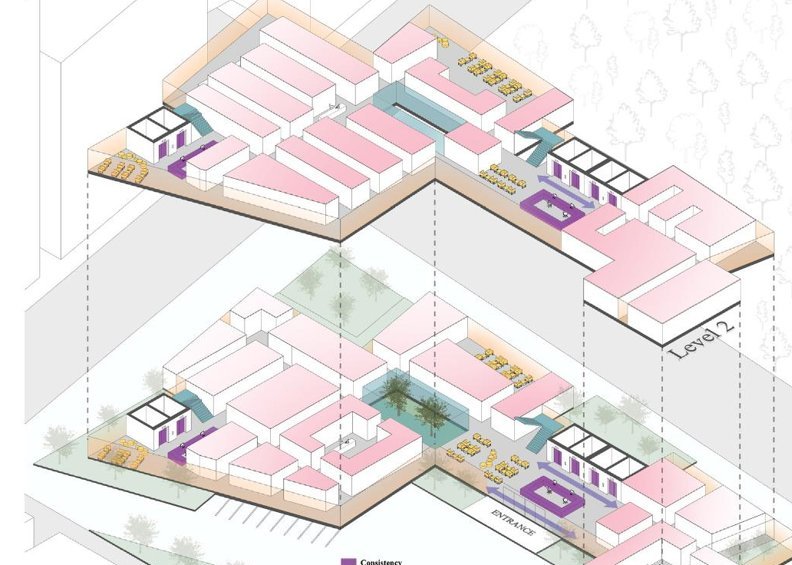
I am a design researcher focusing on human-building interaction (HBI). I see people and buildings as being in continuous exchange, where cognition, affect, and the built environment shape one another as people move through, interpret, and make sense of space. I think of this as a dynamic interplay between our internal and external worlds. My aim is to advance a theoretically grounded understanding of HBI as it unfolds in situ, and to translate that knowledge into actionable insight for design practice.

Research projects

I work at both ends of the continuum between theory building and design translation, using experimental, psychophysiological, qualitative, and observational methods, and collaborating closely with architects and planners.

01

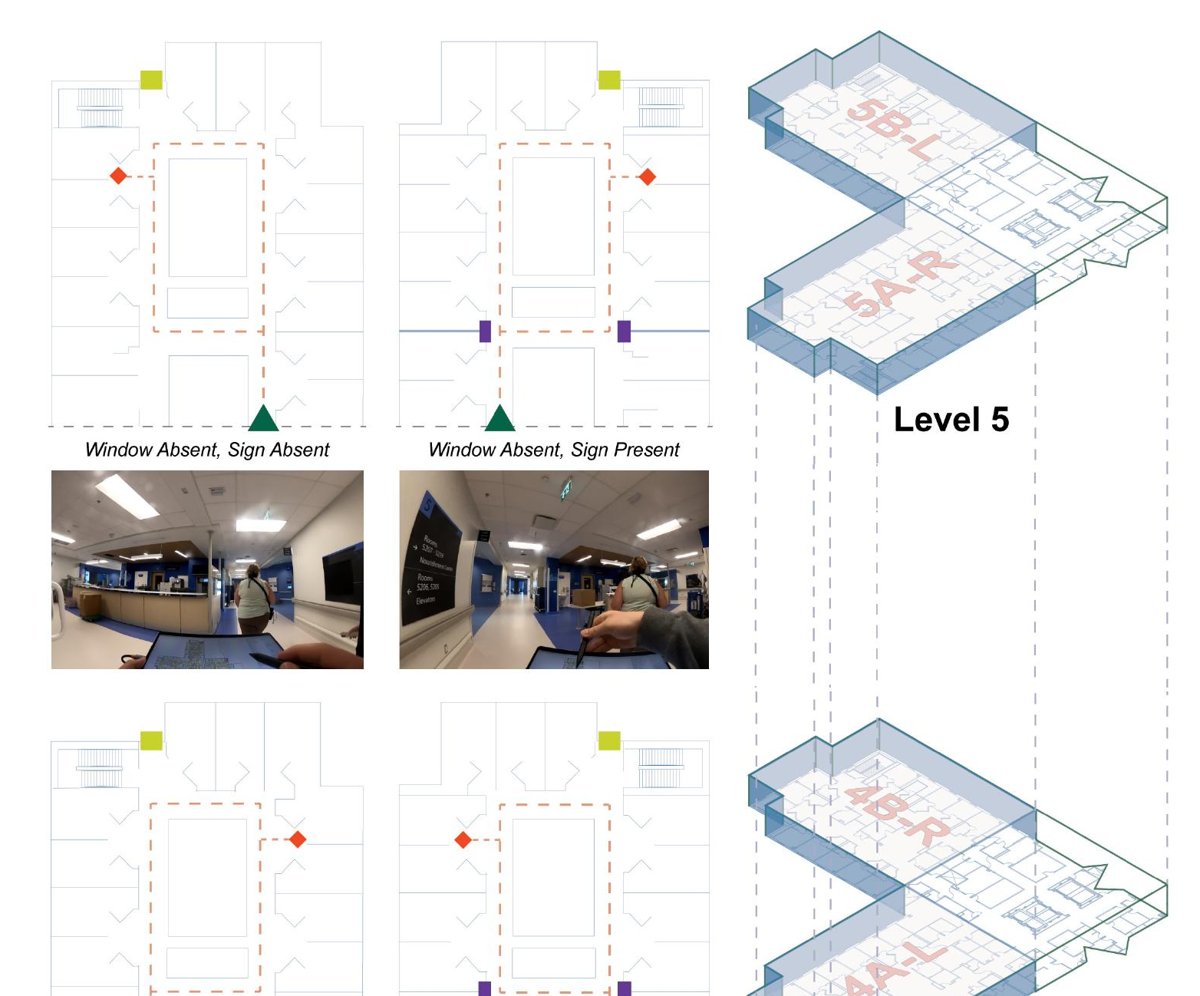
Effects of window and signage presence on wayfinding route choices in a healthcare setting

A field study in a real hospital building testing how windows and signage steer route choices.

Under review
03

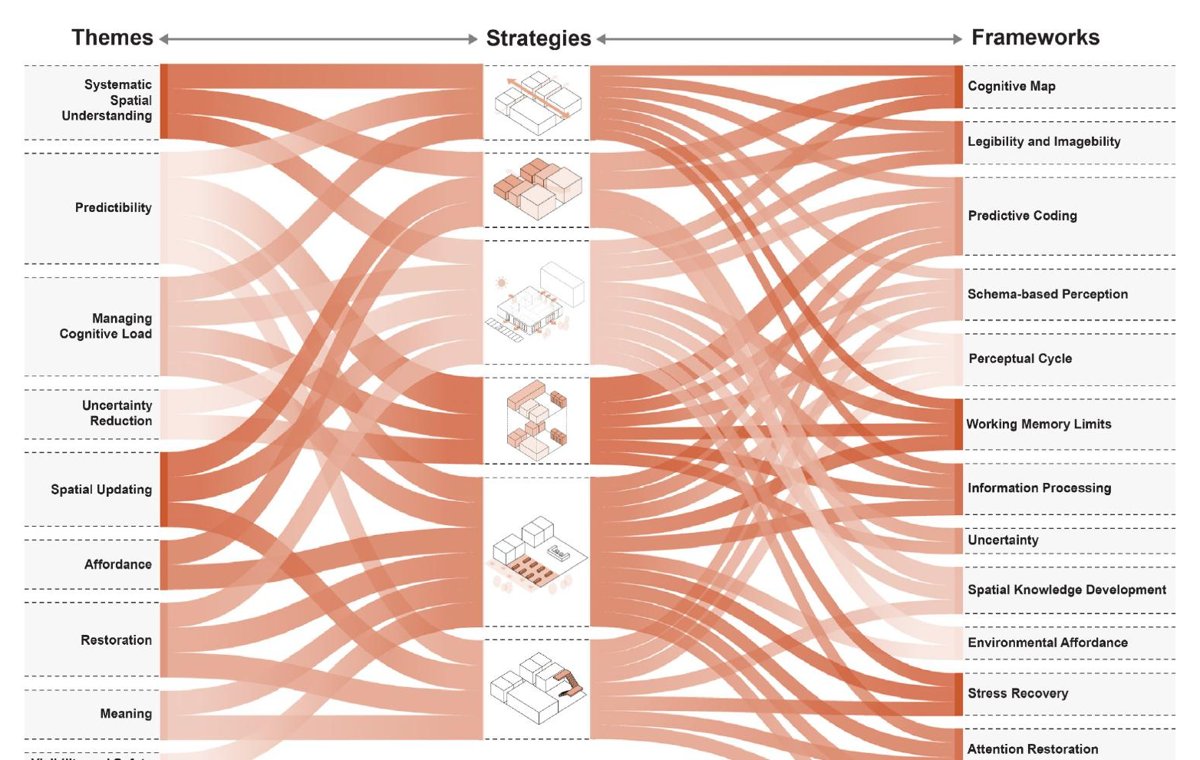
Integrating spatial cognition research, environmental psychology, and expert practice: Wayfinding by design

Bridging spatial cognition research and expert practice into a design framework for wayfinding.

Under review
04

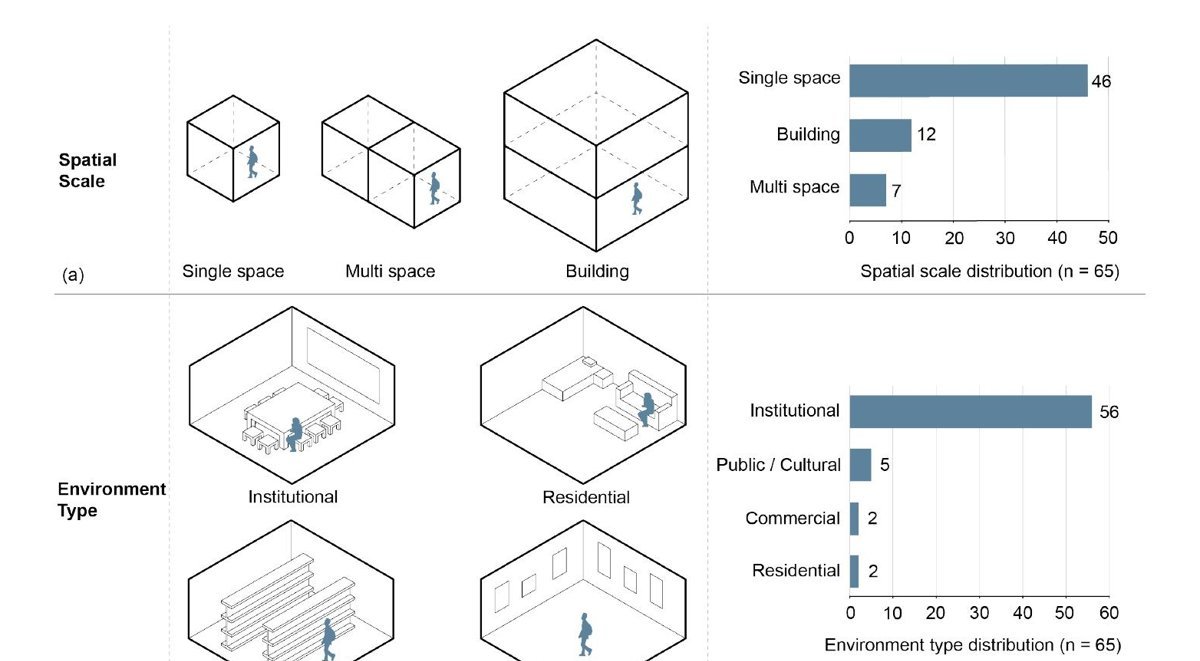
Real enough for what? A systematic review of human response correspondence between immersive virtual and real environments

A systematic review of when people respond to virtual environments as they do to real ones.

Under review
05

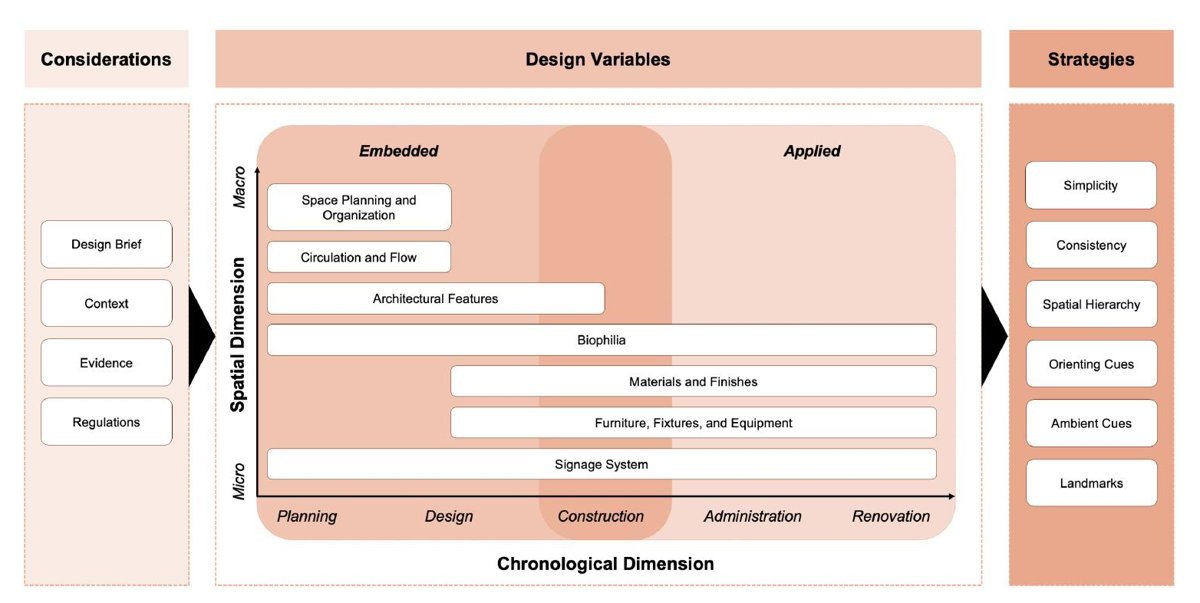
Choreographing wayfinding in the healthcare design process: An industry informed framework for multidisciplinary collaboration

An industry-informed framework for how disciplines share wayfinding decisions across project phases.

Under review
06

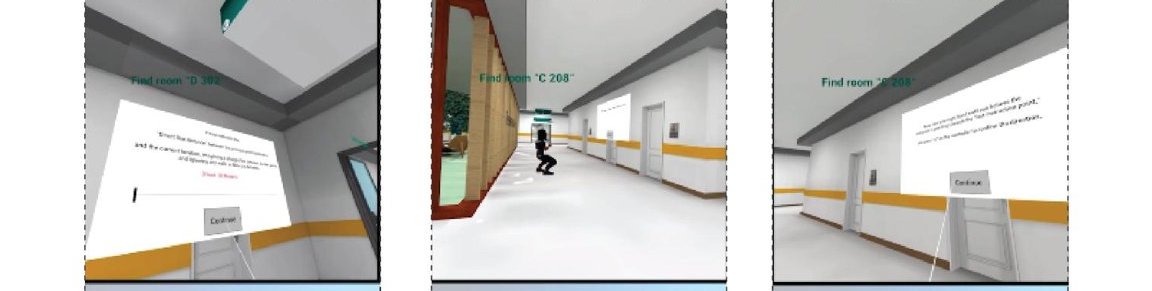
How task structure shapes dyadic social interaction in multiplayer VR for older adults with differing cognitive abilities

How task structure redistributes leading and following between older adult pairs in shared VR.

Under review
Selected publications

  1. Ashour, M., Yang, Q., Qiu, Z., & Kalantari, S. (2026). Designing Human-Centered Journeys: Design Strategies for Enhancing Wayfinding in Complex Healthcare Environments. HERD: Health Environments Research & Design Journal, 19(3), 9-30. DOI
  2. Shepley, M. M., Joyce, K., Ashour, M., Radmanesh, N., Gao, Y., Liu, Z., Shao, Y. C., & Thai, J. (2026). Staff, Patient, and Designer Perspectives on Outpatient Rehabilitation Therapy Environments: A Pilot Study. HERD: Health Environments Research & Design Journal, 19(3), 184-207. DOI
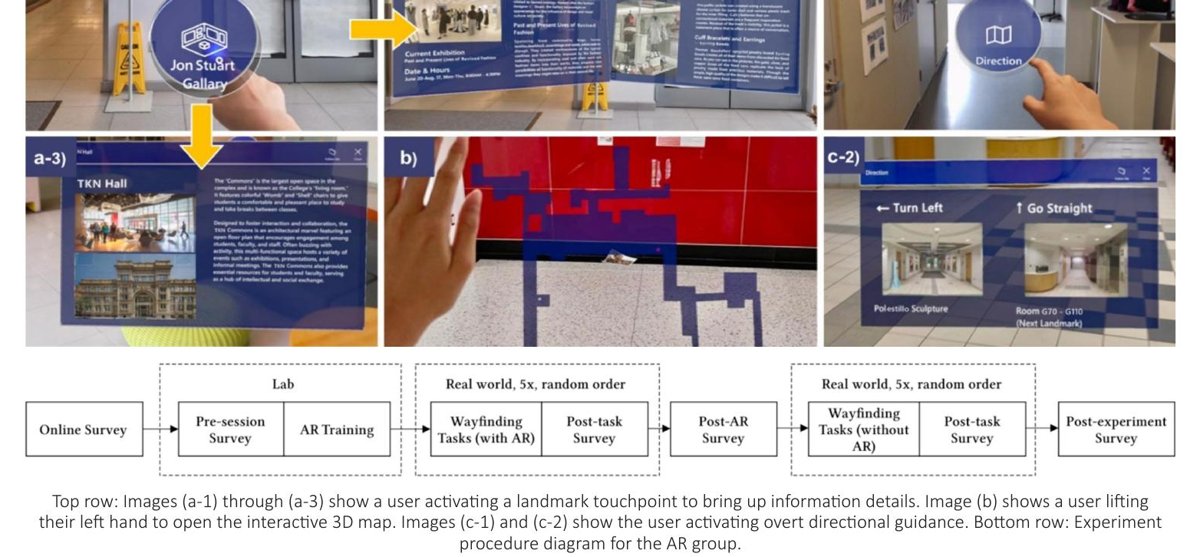
  3. Qiu, Z., Ashour, M., Zhou, X., & Kalantari, S. (2024). NavMarkAR: A Landmark-Based Augmented Reality (AR) Wayfinding System for Enhancing Older Adults' Spatial Learning. Advanced Engineering Informatics, 62, 102635. DOI
  4. Ashour, M., & Mahdiyar, A. (2024). A Comprehensive State-of-the-Art Survey on the Recent Modified and Hybrid Analytic Hierarchy Process Approaches. Applied Soft Computing, 150, 111014. DOI
  5. Motamedpooya, S., Ashour, M., Mahdiyar, A., & Jamei, E. (2023). Diagnosing the Cause-Effect Relationship Among Deterrents to Intensive Green Roof Adoption: A Hybrid EFDM-FDEMATEL Approach. Sustainable Cities and Society, 99, 104972. DOI
  6. Ashour, M., Mahdiyar, A., Haron, S. H., & Hanafi, M. H. (2022). Barriers to the Practice of Sustainable Interior Architecture and Design for Interior Renovations: A Parsimonious-Cybernetic Fuzzy AHP Approach. Journal of Cleaner Production, 366, 132958. DOI
  7. Ashour, M., Mahdiyar, A., & Haron, S. H. (2021). A Comprehensive Review of Deterrents to the Practice of Sustainable Interior Architecture and Design. Sustainability, 13(18), 10403. DOI
  8. See more

Conference presentations

  1. Ashour, M., Yang, Q., Qiu, Z., & Kalantari, S. (2026, May 27-30). Design Reasoning and Wayfinding Theory: Insights from Healthcare Practice. Environmental Design Research Association 57th Annual Conference (EDRA57), Amherst, MA, United States. Presentation
  2. Mostafavi, A., Ashour, M., & Kalantari, S. (2026, May 27-30). Embedded or Applied? Landmark Type Effects on Spatial Memory in a Simulated Hospital Environment. Environmental Design Research Association 57th Annual Conference (EDRA57), Amherst, MA, United States. Presentation
  3. Mostafavi, A., Ashour, M., & Kalantari, S. (2026, May 27-30). Game-Based Wayfinding as a Participatory Research Method for Healthcare Design. Environmental Design Research Association 57th Annual Conference (EDRA57), Amherst, MA, United States. Workshop
  4. Ashour, M., Yang, Q., Qiu, Z., & Kalantari, S. (2025, September 19). Wayfinding by Design: Theoretical Echoes in Expert Practice. Seventh Biennial Academy of Neuroscience for Architecture (ANFA) Conference: Neuroscience for Architecture, La Jolla, CA, United States. Poster
  5. Ashour, M., Yang, Q., Qiu, Z., & Kalantari, S. (2025, May 1). Designing Human-Centered Journeys: Strategies for Enhancing Wayfinding in Complex Healthcare Environments. Bronfenbrenner Center for Translational Research Poster Symposium, Ithaca, NY, United States. Poster
  6. Ashour, M., & Mojtahedi, A. (2024, June 8). Human-Centered Design for Architecture: S, M, L, XL. American Institute of Architects (AIA) Conference on Architecture & Design, Washington, D.C., United States. Presentation

Courses taught

Instructor of Record

  • DEA 1100: Design Generation(s), Cornell UniversitySummer 2026

Teaching Assistant, Cornell University

  • DEA 2203: StudioSHIFTSpring 2026
  • DEA 4040: Professional Practices and EthicsSpring 2025
  • DEA 6055: Hospitality, Health, and Design Industry Immersion SeminarSpring 2025
  • DEA 1100: Design Generation(s)Summer 2024, Summer 2025
  • DEA 4050: Design Portfolio and CommunicationFall 2023
  • DEA 5304: Design Accountability: Evaluation of the Physical EnvironmentFall 2023